
Is Your Home Too Dry in Winter? Whole-House Humidifier Guide
Last updated: November 10, 2026
Quick answer: A hygrometer reading below 30% means your home's air is drier than the 30% to 50% range the EPA recommends. A whole home humidifier connects to your heating system and adds moisture throughout the house automatically. This guide covers the signs of dry air, the three common types, what affects installation cost, and how to maintain one.
On this page:
What is the ideal indoor humidity in winter?
What are the signs your home is too dry?
What types of whole-house humidifiers are there?
How much does whole-house humidifier installation cost?
How do you maintain a whole-house humidifier?
Humidifier service from Maitz Home Services
Whole-house humidifier FAQs
Static shocks, dry skin and a scratchy throat are common cold-weather complaints, and they often come down to one thing: the air in your home is too dry. Cold winter air holds little moisture, and heating it lowers the relative humidity inside your home. The fix can be simple. Maitz Home Services, serving Allentown, Bethlehem, Easton, and the greater Lehigh Valley, installs, replaces and repairs central humidifiers. Call 484-205-9622.
What Is the Ideal Indoor Humidity in Winter?
The ideal indoor humidity in winter is 30% to 50%, according to the EPA. On very cold days, some guidance leans toward the low end of that range to limit condensation on windows. A hygrometer, a small device that measures relative humidity, shows where your home sits.
Relative humidity is the amount of moisture in the air compared with the most it can hold at that temperature. The EPA advises keeping indoor humidity below 60%, ideally between 30% and 50%. Aim for the middle of that range. Too little moisture dries out skin and wood, while too much can fog windows and feed mold.
To check your home, set a hygrometer in a main living area and read it over several days. Humidity shifts with the weather and with how much you run the heat, so one reading does not tell the whole story. A number that stays under 30% means your air is dry.
What Are the Signs Your Home Is Too Dry?
Dry air shows up in your body and in your house. Watch for these signs:
Dry skin. Skin can feel tight or itchy, especially after a shower.
Static shocks. Dry air lets static electricity build up, so doorknobs and sweaters give you a zap.
Cracked or shrinking wood. Wood floors, trim and furniture can crack or open gaps as they lose moisture.
A scratchy throat. Dry air can leave your nose and throat feeling scratchy.
If you notice two or more of these, check your hygrometer. A reading under 30% confirms the air is dry, and a central humidifier can fix it for the whole house instead of one room.
What Types of Whole-House Humidifiers Are There?
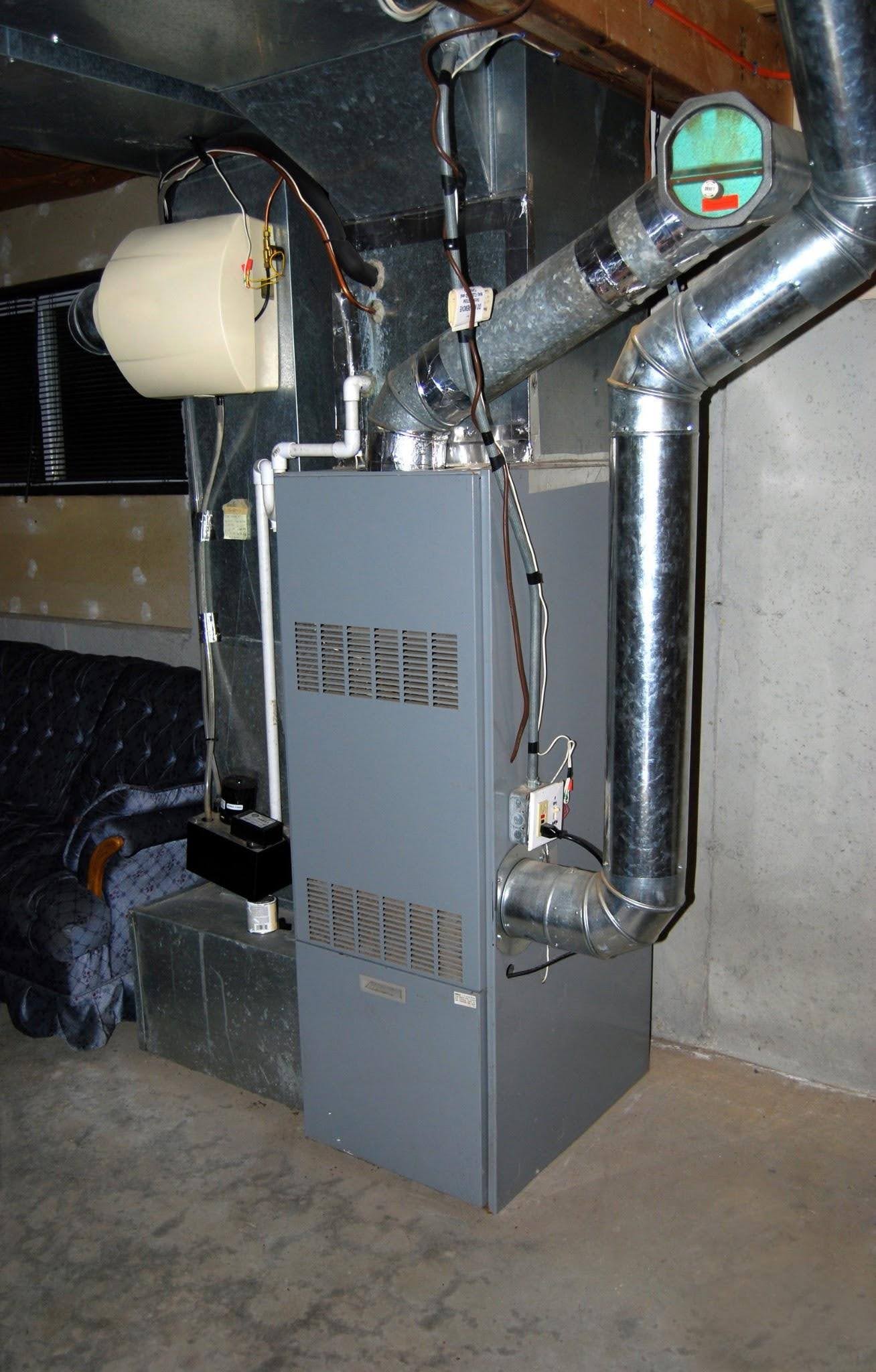
A whole-house humidifier, also called a central humidifier, attaches to your furnace or air handler and adds moisture to the air that moves through your ductwork. A humidistat, a control that senses humidity, switches it on and off so you don't have to. Three types are common:
Type | How it works | Good to know |
Bypass | Sends furnace airflow through a water panel | Works with your furnace blower |
Fan-powered | Has a built-in fan that moves air through the water panel | Adds a fan for steadier airflow |
Steam | Boils water and injects steam into the ductwork | Works independent of furnace heat; suits larger homes |
Which type fits depends on your furnace, your ductwork and the size of your home, so a technician should check your equipment before recommending one.
How Much Does Whole-House Humidifier Installation Cost?
The cost to install a whole-house humidifier depends on the type you choose, the furnace and ductwork it connects to, and how much work the installation takes. Because every home is set up differently, a technician needs to see your equipment before giving you a price.
Here is what shapes the cost:
The type. Bypass, fan-powered, and steam units each work differently and have different needs.
Your furnace and ductwork. The unit connects to both, so the layout and condition of your system matter.
Water access. The unit ties into your water supply, so how easily a line can reach it affects the work.
The installation work. Where the unit goes and how much work it takes to connect it add to the time involved.
Because the unit ties into your water supply, ductwork and controls, installation is usually a job for a professional. To learn more about the work involved, see our central humidifier service.
Dry air at home? Call Maitz Home Services at 484-205-9622 to talk with a technician about a central humidifier. We have over 3,000 five-star Google reviews. PA HIC Lic, HIC PA005662. PA Cont Lic, CL22362.
How Do You Maintain a Whole-House Humidifier?
Maintaining a whole-house humidifier comes down to three jobs: replace the pad, clean and sanitize the unit, and clear the drain line.
Replace the pad at least once per heating season. Evaporative models, which include bypass and fan-powered units, use a replaceable pad, also called a water panel, to hold the water the air passes through.
Clean and sanitize the unit at least once per season. Cleaning at least once per season, typically before and after winter use, and regular upkeep can help maximize a humidifier's lifespan.
Clear the drain line. Check that the drain line runs freely so water can leave the unit as it should.
Humidifier Service From Maitz Home Services
Founded in 1964, Maitz Home Services offers central humidifier install, replace and repair from our Allentown, PA location, serving homeowners across Allentown, Bethlehem, Easton, and the greater Lehigh Valley. To learn more, visit our central humidifier service page, or call 484-205-9622 to talk with a technician.
Whole-House Humidifier FAQs
Can a humidifier fog my windows?
It can if the humidistat is set too high. Warm, moist indoor air condenses on cold glass, so fogged windows are a sign to lower the setting. Some guidance leans toward the low end of the 30% to 50% range on very cold days. A technician can set the humidistat for your home.
How long does a whole-house humidifier last?
With regular maintenance, a whole-house humidifier typically lasts 10 to 15 years, according to Bryant, and regular upkeep can help maximize its lifespan. Actual lifespan varies by type, water quality and how much the unit runs.
Does my home need ductwork?
The central humidifier types in this guide connect to ductwork, so they suit homes with a forced-air furnace or air handler. A home heated by hot-water radiators or a boiler without ducts needs a different approach. A technician should check your equipment before recommending a type.
Can I install a whole-home humidifier myself?
A whole-house humidifier should be professionally installed. The unit ties into your water supply, ductwork and controls, so a mistake can mean leaks or poor humidity control. A technician can also confirm which type fits your equipment.
Humidifier or dehumidifier?
Many homes swing between dry winter air and damp summer air, so a humidifier in winter and a dehumidifier in summer can both play a role. A hygrometer shows which one your home needs. Above 50% is past the ideal range, and above 60% raises the risk of mold.
Related Articles
What do you need help with today?
Heating
No heat, strange smells, rising bills? We repair and replace heating systems to keep your home reliably warm.
Air Conditioning
AC blowing warm air? Uneven cooling in your rooms? We fix cooling issues fast and keep your system running smoothly all summer.
Plumbing
Our highly trained plumbers handle it all, from leaky faucets to full system installations and repipes.
Electrical
The smartest team in town. You need repair, installations, wiring, inspections, lighting — you name it.